
What makes stainless steel "stainless"
Stainless steel resists corrosion because of a passive chromium oxide layer that forms naturally on the surface. Both 304 and 316 grades contain high chromium content — typically 18% for both. The key difference is that 316 also contains 2% to 3% molybdenum, which significantly enhances corrosion resistance against chlorides, acids, and certain aggressive chemicals.
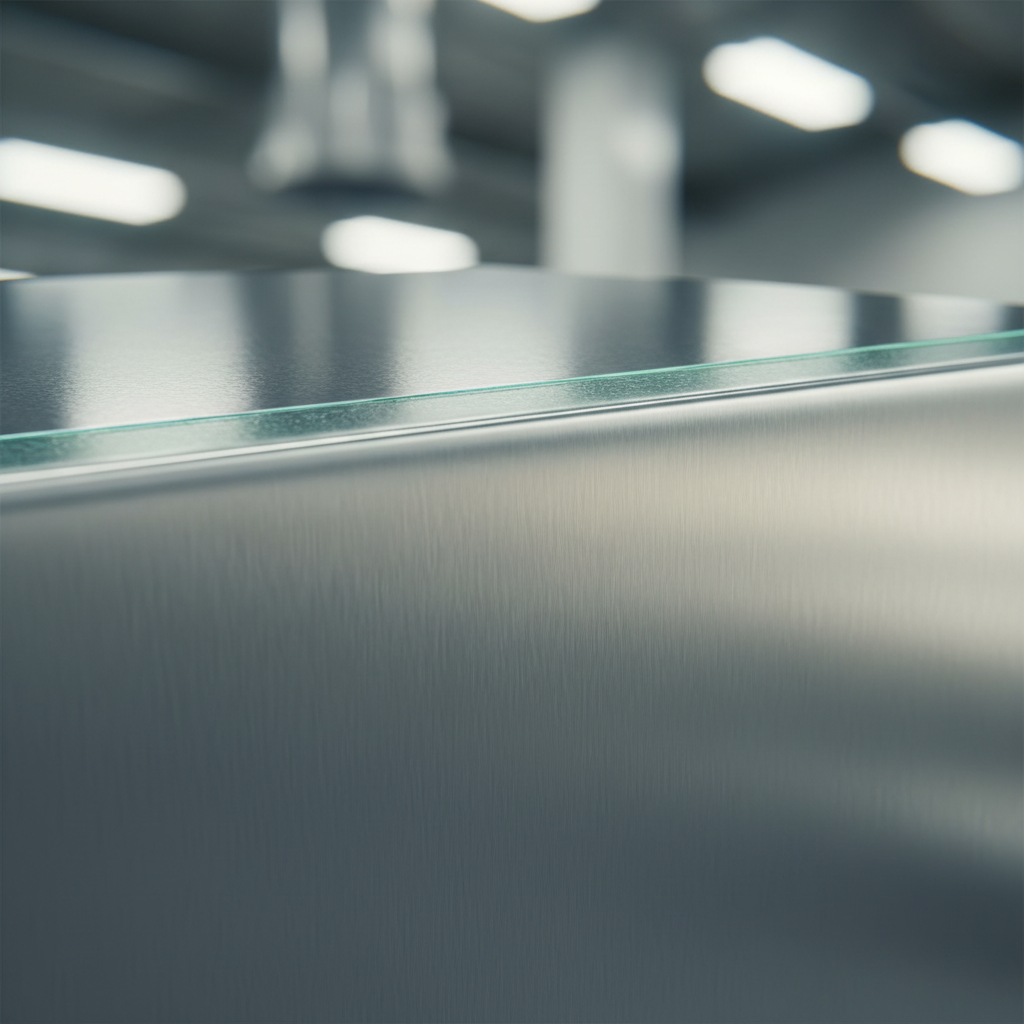
The passive chromium oxide layer on stainless steel provides corrosion resistance — 316 adds molybdenum for aggressive chemicals.
304 stainless steel: the right choice for most applications
304 SS is suitable for filling machines handling: water and water-based products, edible oils, most detergents and household cleaners, standard cosmetics (creams, gels, lotions), sauces, ketchup, and food products without high salt or acid content. It is easier to fabricate, less expensive, and performs reliably across a wide range of applications when the product is not corrosive.
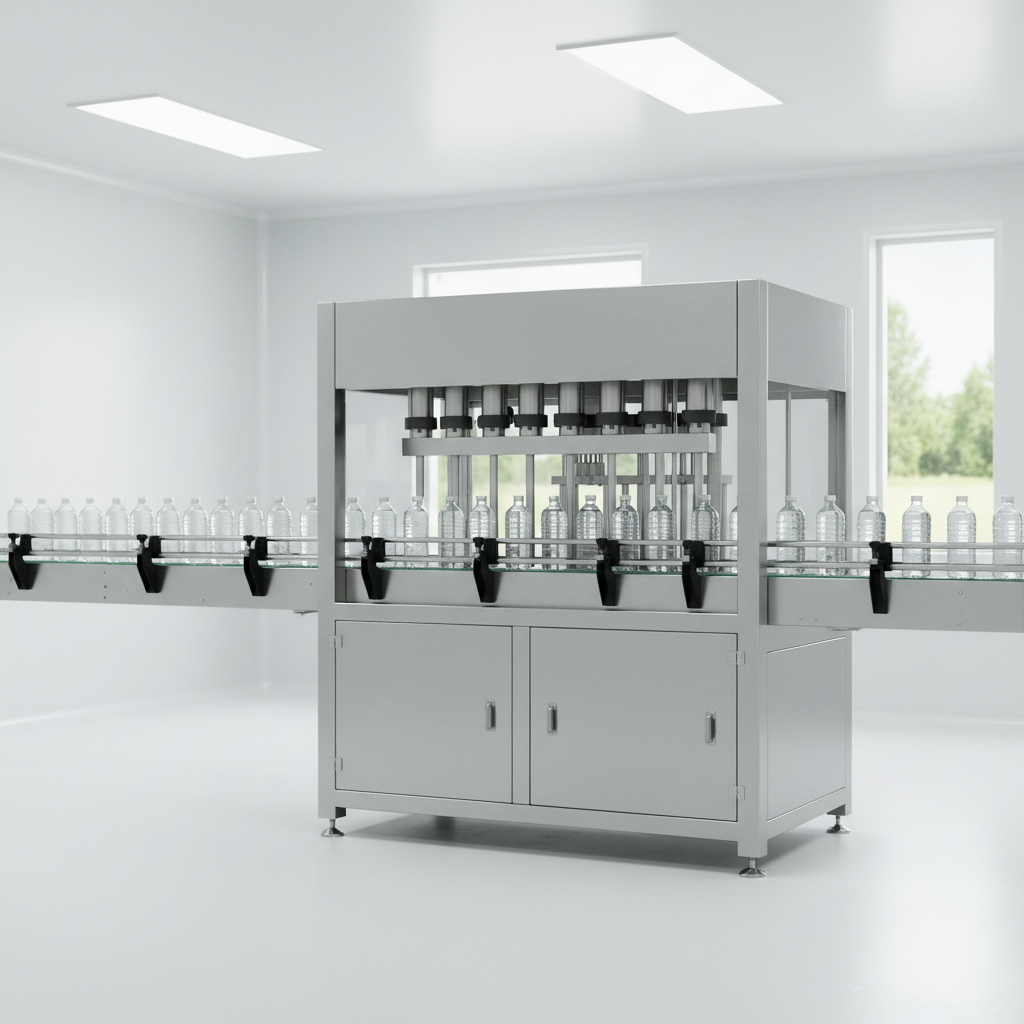
304 SS is the standard for water, edible oils, detergents, and most cosmetics — durable and food-safe.
316 stainless steel: when corrosion resistance is critical
316 SS is required for: aggressive cleaning chemicals and acids, high-salt content food products, perfumes and alcohol-based products, certain pharmaceutical formulations, corrosive industrial chemicals, and products with pH below 4 or above 9. The molybdenum content in 316 prevents pitting corrosion — the type of corrosion that creates small holes that are invisible on the surface but destroy the machine internally over time.
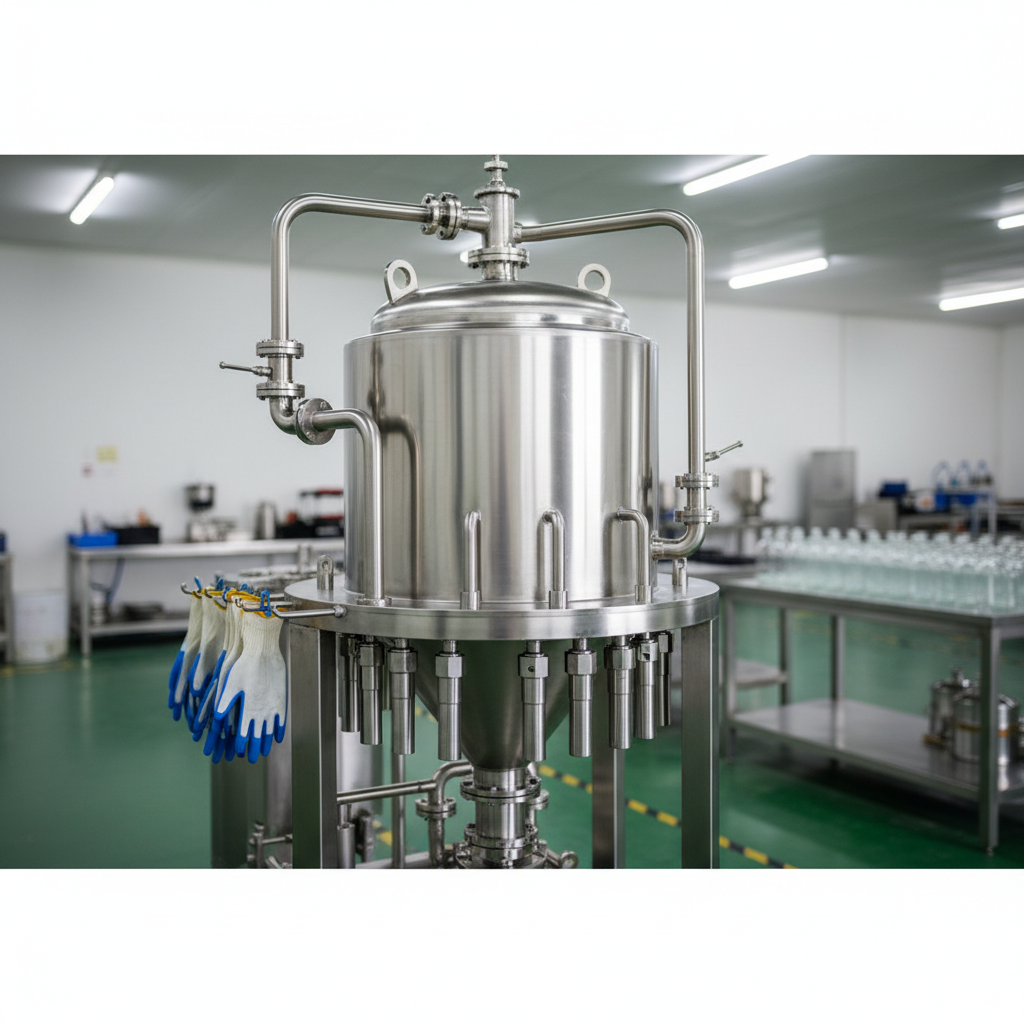
316 SS with molybdenum prevents pitting corrosion from chlorides and acids — required for pharma and aggressive chemicals.
Surface finish matters as much as grade
A 316 SS surface with poor finish can underperform a well-polished 304 SS surface in some applications. The surface finish determines how easy the machine is to clean and how resistant it is to bacterial adhesion. For food and cosmetic applications, internal surfaces should typically be polished to Ra 0.8 or better.
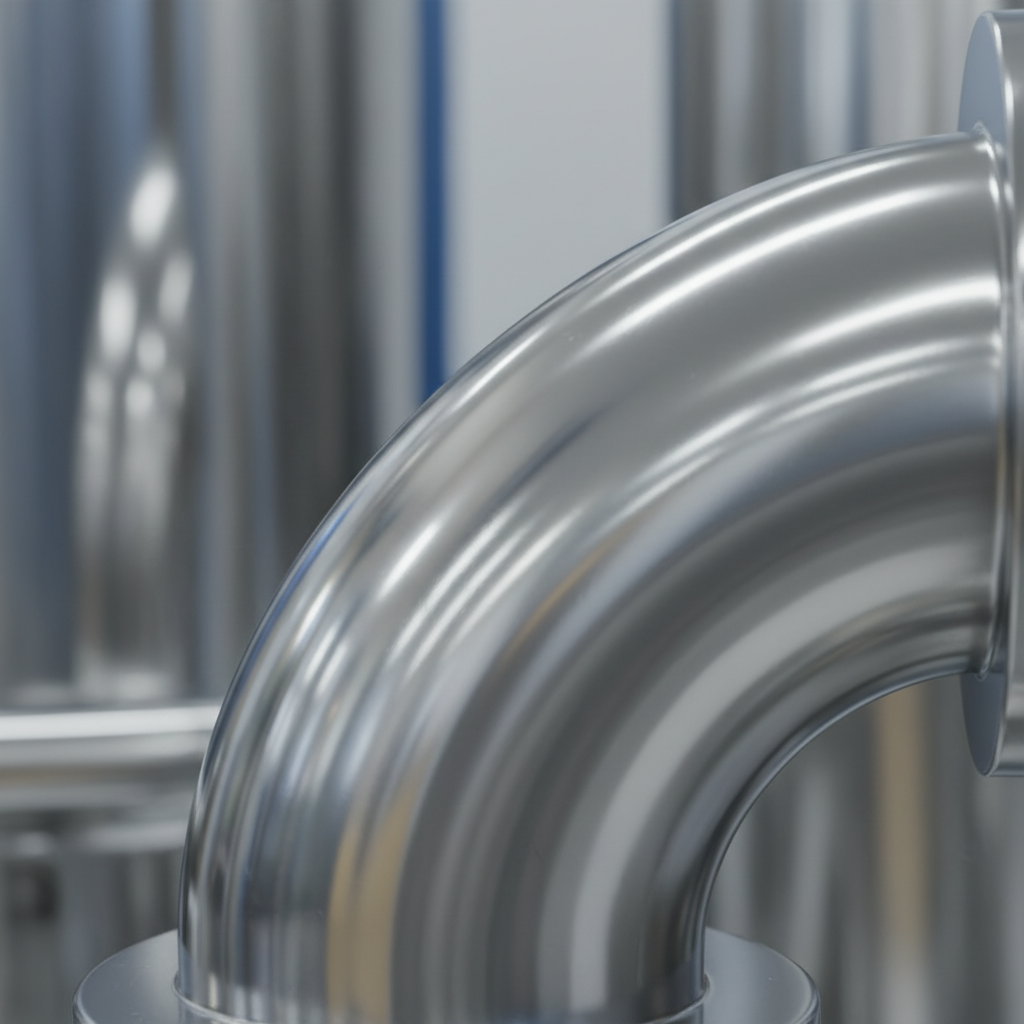
Internal surface finish Ra 0.8 or better — reduces bacterial adhesion and makes cleaning faster and more effective.
Mixed-grade machines: when it makes sense
In some cases, only the product-contact parts — nozzles, cylinders, valves, pipes, and tanks — need to be 316 SS, while the frame and structural elements can remain 304 SS. This gives you the corrosion resistance where it matters without the full cost premium of an all-316 machine. Origin Makina offers both pure 316 machines and mixed-specification options based on the product requirements.
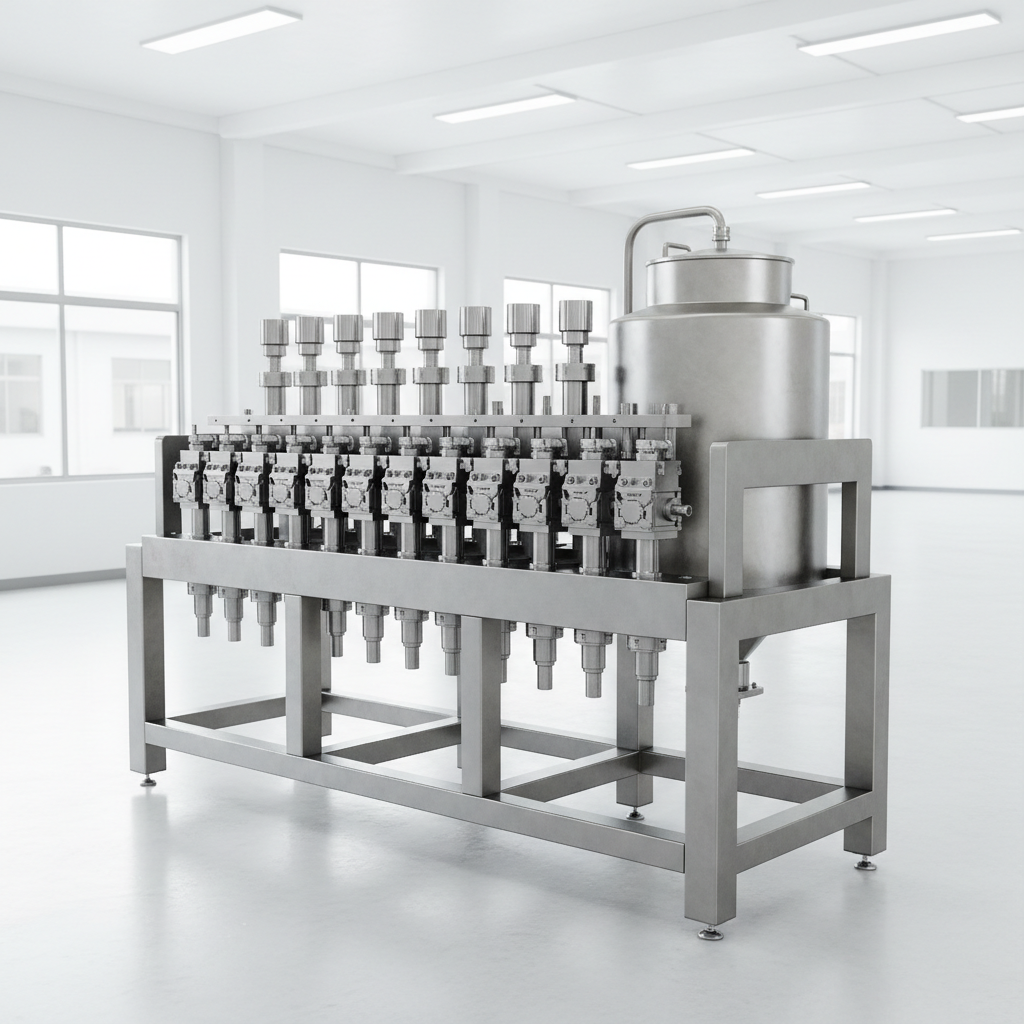
Mixed-grade construction: 316 SS on product-contact parts, 304 SS frame — optimal cost-performance balance.
Have a production question?
Not sure which stainless steel grade is right for your product? Our engineers will evaluate your product and recommend the correct specification.